New exhibition tells the story of Norwegians in south Wales

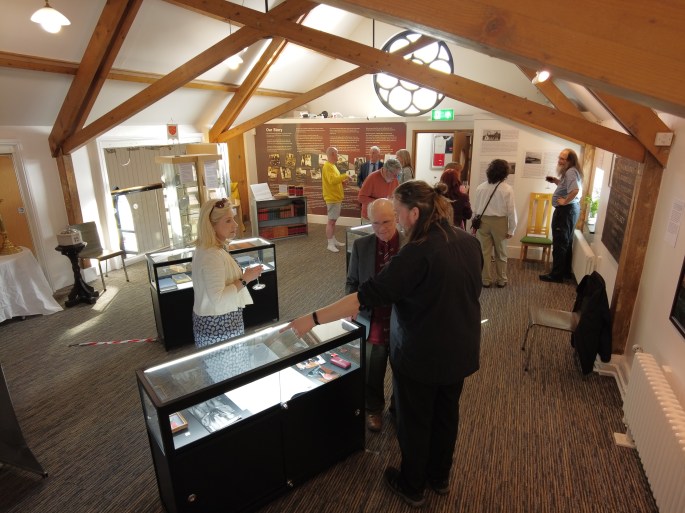
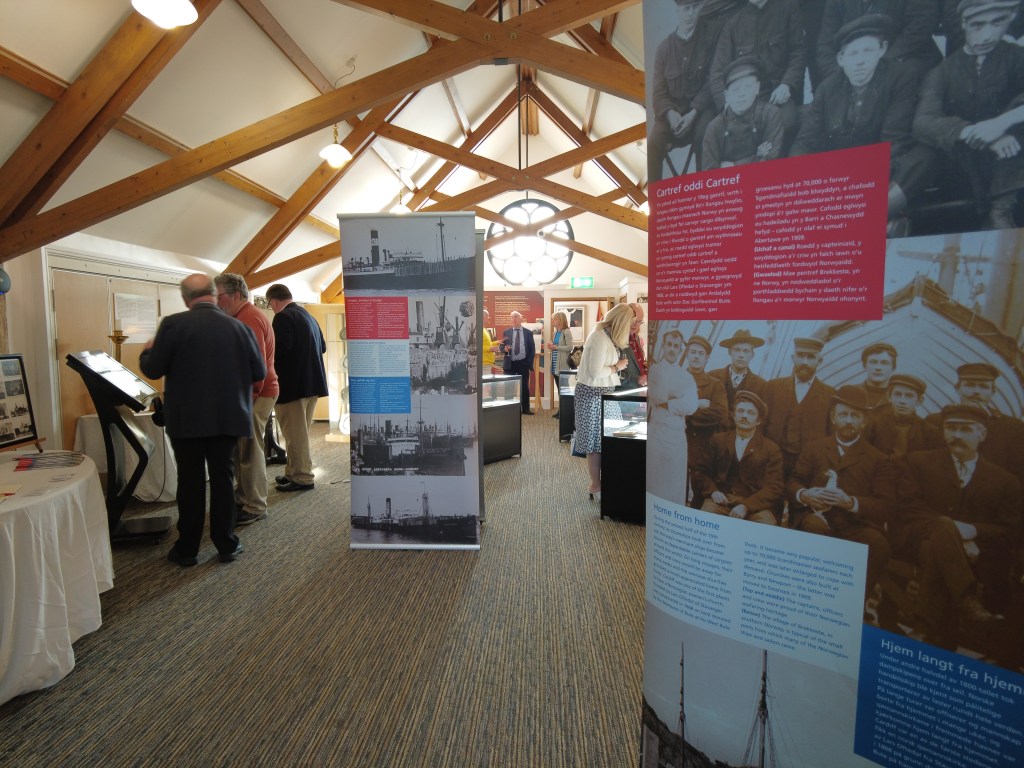
A new exhibition in Cardiff is telling the story of the Norwegians who came to south Wales in the mid 1800s as seamen and merchants servicing the coal trade. It opened on Norwegian National Day, 17th May, and will run until the end of June 2023. For opening hours, please check the website of the Norwegian Church Arts Centre at https://www.norwegianchurchcardiff.com/

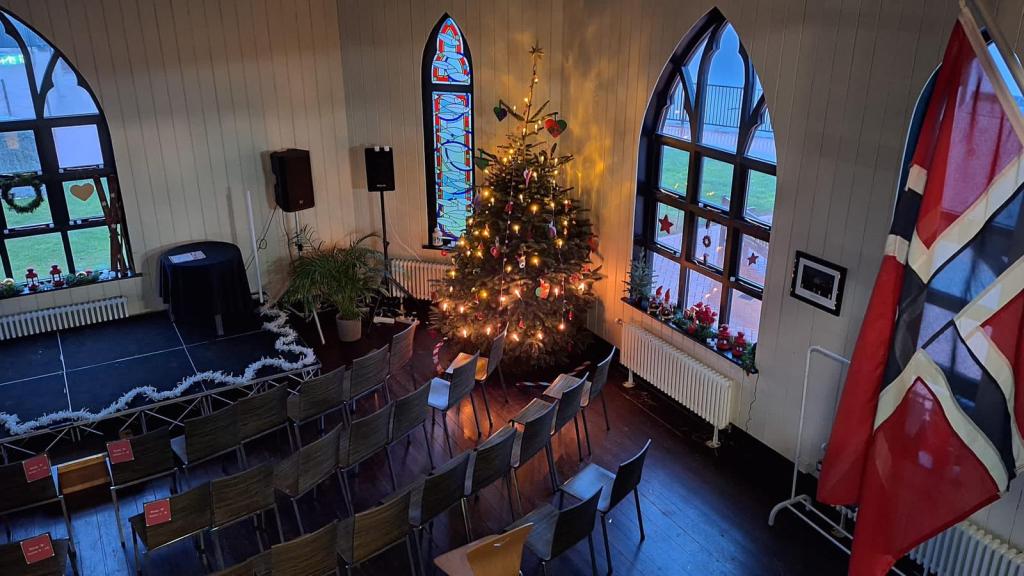
The new exhibition upstairs at the Norwegian Church in Cardiff

At one point there were so many Norwegians in South Wales that the Norwegian Seamen’s Mission established four churches – in Cardiff, Swansea, Barry and Newport – to serve not only as places of worship, but also as community centres, libraries, and providers of welfare and communication for people far from home. 

As the coal trade declined, and congregations became more integrated into Welsh society, the churches closed. However, the buildings in Cardiff and Swansea were preserved, albeit on new sites, and now the Cardiff church is the home of a thriving arts and cultural centre and café. 

Thanks to a National Lottery Heritage Fund grant and with the support of the Norwegian Seamen’s Mission in Bergen, heritage officer Thomas Alexander Husøy-Ciaccia has been tracing the story of the churches in south Wales and their communities, and has curated the new exhibition at the Norwegian church in Cardiff Bay. 

In a new video Thomas tells Kevin Burden of the Welsh Norwegian Society about the churches’ place in the rapid changes in Wales in the 19th and 20th centuries.

Heritage Officer Thomas Husøy-Ciaccia explains the story of Norwegians in south Wales

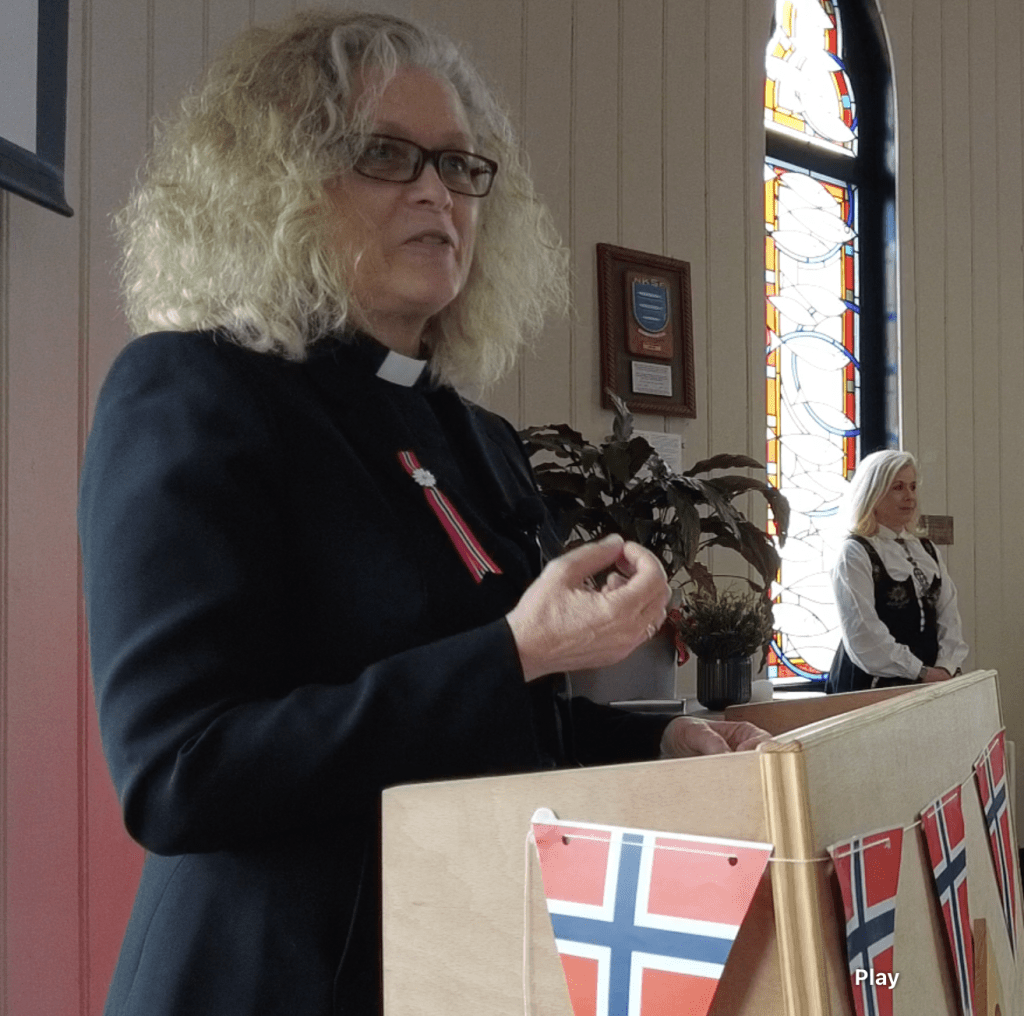
Cato Syversen in national dress at the Norwegian Church in Cardiff

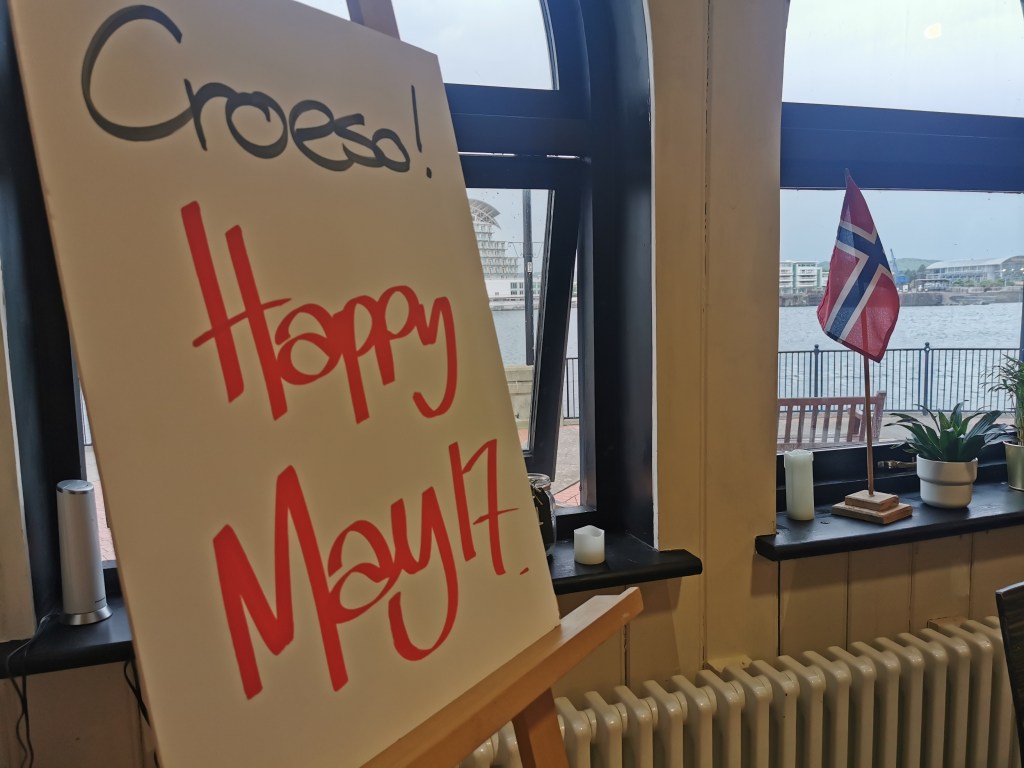
Gratulerer med dagen! Crowds and sun turn out for 17.mai 2023 in Cardiff

2023 saw one of the largest celebrations of Norway’s Constitution Day in Cardiff for some years. Post-pandemic, and blessed with fine weather, almost 200 people turned up to join the celebrations, starting with a procession from the Wales Millennium Centre via the Senedd to the Norwegian Church on the bayside.

Martin Price, trustee of the Norwegian Church Cardiff Bay charity, welcomed the procession.

The flag was hoisted over Cardiff Bay after the singing of the National Anthem, Ja vi elsker, accompanied by the band of the Salvation Army.

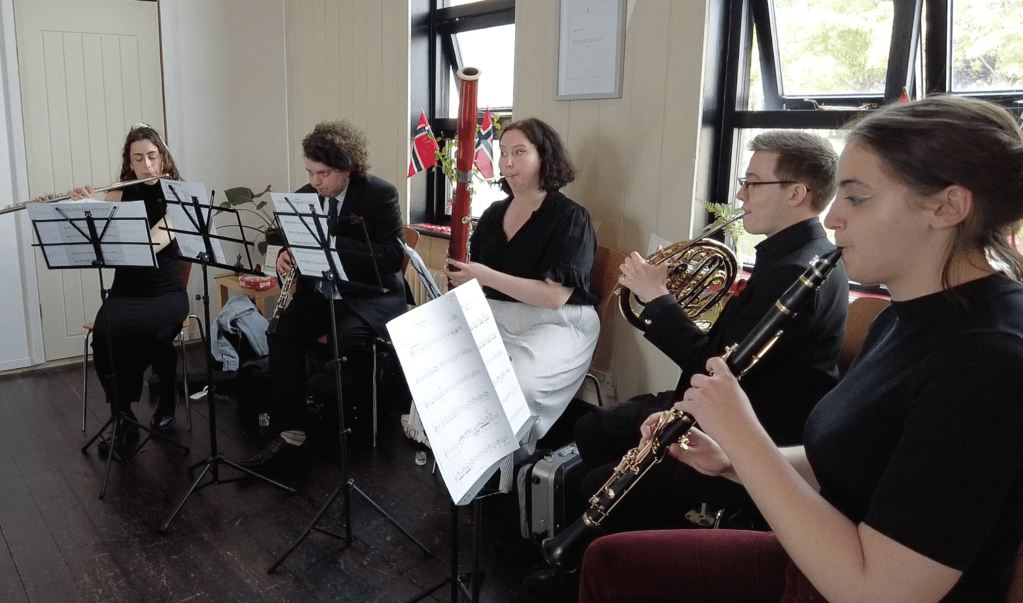
Inside, the young talent of the Bute Wind Quintet, the artists in residence at the Norwegian Church, played from Grieg’s Peer Gynt Suite.

Torill Heavens, a committee member of the Welsh Norwegian Society, welcomed everybody and led proceedings in the hall. Torill is also a member of the Salvation Army Band that played for us throughout the afternoon.

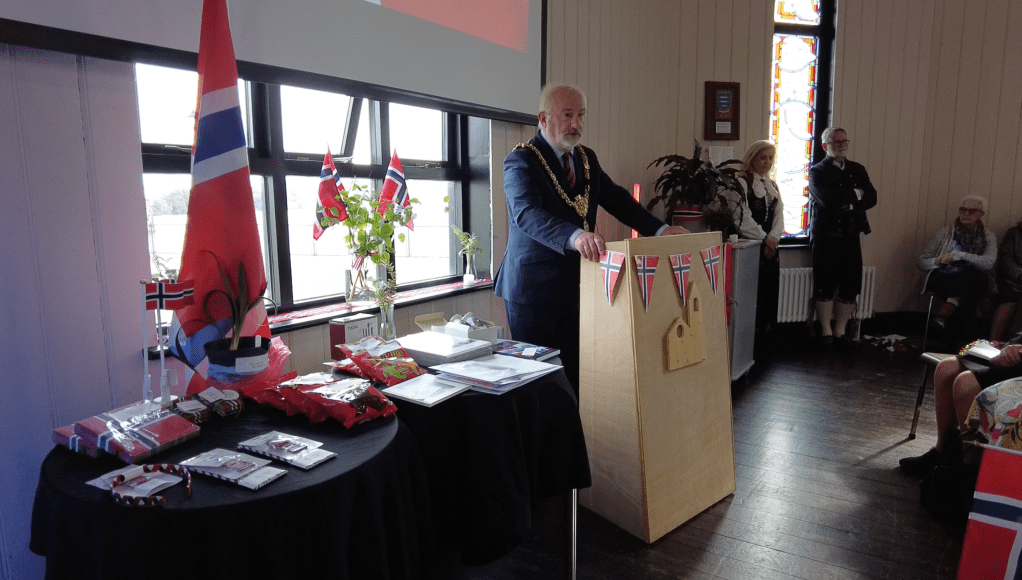
Cato Syversen, the CEO of the Cardiff-based Norwegian company Creditsafe, and a trustee of the Norwegian Church Cardiff Bay, gave the traditional 17th May speech, explaining the date’s significance to Norway and Norwegians.

The Lord Mayor of Cardiff, Councillor Graham Hinchey​, wished everyone “gratulerer med dagen“. The city council looked after church after it closed for services until last year, when it was handed over to a new charity, the Norwegian Church Cardiff Bay.

Nine-year-old Eira Oseng-Rees is a typical member of our community. With a Welsh father and Norwegian mother, she has grown up bilingually in south Wales – which she demonstrated by reading the poem “17. mai er jeg så glad i” – “I love 17th May so much” in both Norwegian and English.

The Church in Norway continues to support Norwegians living, working and studying abroad, even if it has far fewer physical places of worship than in the peak days of Norway’s merchant navy.

Ingrid Ims is a chaplain based at the Norwegian Church in London who works with communities throughout the UK and Ireland. She is especially keen to reach out to Norwegian students in Wales.

Ingrid expanded on Cato’s thoughts about the meaning of 17th May and its place in Norwegian independence.

Remembering the losses that Norway had suffered during its occupation during World War Two, she laid a wreath in the church to remember the fallen.

Vi lyser fred over deres minne,” she said: We shine peace upon their memory.

National Day 2023 celebrations confirmed for Cardiff

Wednesday 17 May, Norway’s Constitution Day – the day the nation celebrates its re-emergence as an independent nation after four centuries of Danish rule – will again be marked in Cardiff in the now familiar manner.

Norwegians in national dress will lead a procession from the Wales Millennium Centre to the Norwegian Church, accompanied by the band of the Salvation Army. At the church the instantly recognisable flag will be hoisted and the Norwegian anthem sung. The Norwegian community and its friends in Wales will welcome dignitaries from both Wales and Norway.

The Norwegian Church Arts Centre café will serve Norwegian favourite food and drinks, and will be stocked with supplies to buy and take away.

A new exhibition telling the story of the Norwegian community in Cardiff and its church will open in the upstairs gallery.

The celebrations – which begin at 4.30 pm and last until the evening – are open to all, especially those keen to make links with others in Wales with an interest in Norway.

Exploring the Past: The Norwegian Church Heritage Collation Project

By Thomas Alexander Husøy-Ciaccia

In 2022 the new charity Norwegian Church Cardiff Bay (NCCB) officially took over the Norwegian Church Arts Centre in Cardiff Bay from the former Norwegian Church Preservation Trust.

One of the charity’s main aims was to establish a heritage programme at the church, highlighting the history of the Norwegian Seamen’s Mission in Wales (in addition to the church in Cardiff Bay, there were other churches located in Newport, Swansea, and Barry), historical connections between Wales and Norway, and the more recent history of the church. 

In the autumn of 2022, before the NCCB took over, the Welsh-Norwegian Society sent out a call for volunteers to help realise this heritage project. My wife Olivia Husøy-Ciaccia and I offered our assistance as volunteers for this project. With support from the Chair of NCCB, Martin Price, we were tasked with writing a funding bid to the National Lottery Heritage Fund to gain the financial means to execute the project. At the time (and at present), I held the role of Treasurer of the Welsh-Norwegian Society. The funding bid was successful and through it the NCCB obtained the funds to hire a professional Heritage Officer, a role which I was delighted to be offered.

Since September 2022 it has been my responsibility to conduct research and collate as much of the historical information about the church as possible. This brief introduction provides the background to how the heritage project came to be. For the remainder of this article I will highlight two recent developments in the project so far, starting with the new digital touchscreen kiosk, now in the Norwegian Church. 

The Digital Touchscreen

One of the most important aspects of the heritage collation project at the Norwegian Church Arts Centre is to make as much information about the church available to the public as possible. One of the new devices we have purchased to achieve this is a digital touchscreen, which is now in the church. This has been installed with historical content provided by Tiger Bay – Heritage and Cultural Exchange, which is collaborating in the heritage collation project.

The information on this touchscreen kiosk currently tells the story of Cardiff Bay over the last few hundred years. A similar touchscreen can be found at Craft in the Bay, which also features the material supplied by Tiger Bay HCE.

Our touchscreen will focus on the history of the Norwegian church in Cardiff, but will also feature some information about the Norwegian Seamen’s Church and its Missions in Swansea, Barry, and Newport. Additionally, it will shed light on the social history of Norwegians in South Wales, including the history of the Welsh-Norwegian Society.

The screen has already received keen interest from visitors and we hope that it will become even more popular once it is fully populated with historical information and images, which will be available in English, Welsh, and Norwegian. 

Research trip to Norway

As I write, I am currently on a two-week research trip to Bergen in Norway, where I am visiting the Seamen’s Church’s archive and museum, the Maritime Museum, and the Regional State Archives in Bergen. These are three institutions which hold relevant material for the heritage project.

I spent the first days of the research trip in the historical collections of the Seamen’s Mission, which has important documentation on the history and development of the church. They have a large photo archive as well as a complete collection of Bud og Hilsen, which is the journal of the Seamen’s Church. The first issue of this journal dates to 1865, and in earlier numbers often contained reports from the various missions entitled “Fra Cardiff” (from Cardiff) or “Fra Antwerp” (from Antwerp); these supplied very useful information about historical developments and affairs and the various Norwegian churches across the world. They also have anniversary books produced about the Norwegian Seamen’s Church throughout its history which provide useful summaries of the historical developments at the various stations, including Cardiff.

At present the Norwegian Church Arts Centre has a modest number of artefacts from its history on loan from the Seamen’s Church’s historical collection, such as the historical baptismal font and some candlestick holders. The latter were given to the Cardiff Church by Hvaler Parish Council in 1927.

I have also spent time at the Maritime Museum in Bergen, where I consulted more issues of Bud og Hilsen as well looked through parts of their extensive photography collection and reference sections. The second week of the trip will be used looking at the collections related to the church held by the Regional State Archive in Bergen, which holds an extensive collection related to the Norwegian Churches in South Wales and further afield. 

HERITAGE Exhibition in the NORWEGIAN CHURCH

As a part of this project, we are aiming to create an exhibition to open on May 17th focusing on the history of Norwegians in Wales.

If anyone would like to lend any items to support this exhibition or help us to organise it, please contact me at thomas@norwegianchurchcardiff.com. These items could be an old artefact, photos, home made crafts, etc.

Everything will be carefully cared for, documented and returned after the exhibition closes.

Iconic church returns to community

The iconic Norwegian Church café and arts centre on Cardiff’s waterfront has finally re-opened its doors to the public after a two-year closure – and it will again be run by the community which built it in the first place. The Lord Mayor of Cardiff Rod McKerlich ceremonially handed the building over to the Welsh Norwegian Society which ran a long and successful campaign to take the building back under its wing. The handover took place on Norway’s national day, 17th May, and Wales’ small Norwegian community gathered to celebrate, waving flags of red, white and blue, and singing their national anthem accompanied by the Salvation Army band.

The Mayor of Cardiff handed the Norwegian Church to the stweardship of the Welsh Norwegian Society on Norway's National Day, 17th May 2022
The Lord Mayor of Cardiff Rod McKerlich ceremonially handed the building over to the Welsh Norwegian Society on Norway’s national day, 17th May 2022

Originally built in 1869 to serve Norwegian sailors visiting Cardiff, the church maintained a small congregation until 1974 when it finally closed it doors. It fell into disrepair and was finally dismantled and put into storage. Cardiff author Roald Dahl, himself of Norwegian heritage, was baptised in the church and lent his support to having it reopened. It was rebuilt in its present position as part of the redevelopment of the Bay, and has served as a popular café and arts centre ever since.

“The city council looked after the building well,” says Tyra Oseng-Rees, a Norwegian-born glass artist who now lives near Swansea and heads the society. “But it was hard for the building to maintain its particular identity and heritage while it was under council care. We wanted to breathe new life into the church as a living base and make it more Norwegian, to be a base for our community and to showcase arts and culture and food from Norway.”

That process has already begun, and under the new management the café is serving Norwegian-blend coffee, cakes and open-top sandwiches. A supplier has been found of treats from home, including pickled herring, liquorice and brunost, a soft brown cheese resembling fudge, which even the staff accept is an acquired taste.

The room formerly used for services now hosts civil weddings, meetings, events, and exhibitions, while local craftspeople have been selling their wares in the gallery upstairs. It is planned to have craft sales outside on the newly relaid terrace, which has unrivalled views of the Bay, the Mermaid Quay and the Pierhead building.

Jon Askeland, the mayor of Hordaland county, which is twinned with Cardiff and has had a long and supportive association with the Norwegian Church here, was present to witness the return of the building to the local Norwegian community.

“It’s amazing to see what the community has achieved here,” he said. “The centre provides us with a home abroad, here in Cardiff, a place we recognise and appreciate. It symbolises the long-lasting bond of friendship between Norway and Wales, and it has been given a new life.”

WNS in the news

Media coverage of our petition campaign

On 4th November, there was an article in the South Wales Echo headlined “The desperation to save Cardiff’s Norwegian Church from being turned into a private business”.https://www.walesonline.co.uk/news/local-news/norwegian-church-cardiff-private business-17187865

On 6th November, ITV Wales News interviewed WNS member Martin Price about our campaign. Thanks to Craig Williams (WNS Secretary), the interview has been made available on YouTube, and you can watch the interview here:https://www.youtube.com/watch?v=HKWtFuo6zWo

We also spoke to journalism students at Cardiff University, one of whom did a radio interview for their internal station and another who wrote an article for their student newspaper The Cardiffian.

We are hopeful the BBC will also go ahead with an interview with a Welsh-speaking WNS member shortly.

Please keep sharing our petition

Our petition continues to grow and has now passed 5,500 signatures. For those who haven’t signed it yet, you can access it here:www.change.org/p/cardiff-council-save-the-norwegian-church-in-cardiff-for-the-people-not-for-commercial-profit.
Please share the petition with anyone who might be interested. Don’t worry if you don’t use social media – the simplest way of sharing the petition is to email the direct link (above) to your friends and contacts.
Thanks to everyone for your continued support!

Dates for your diary

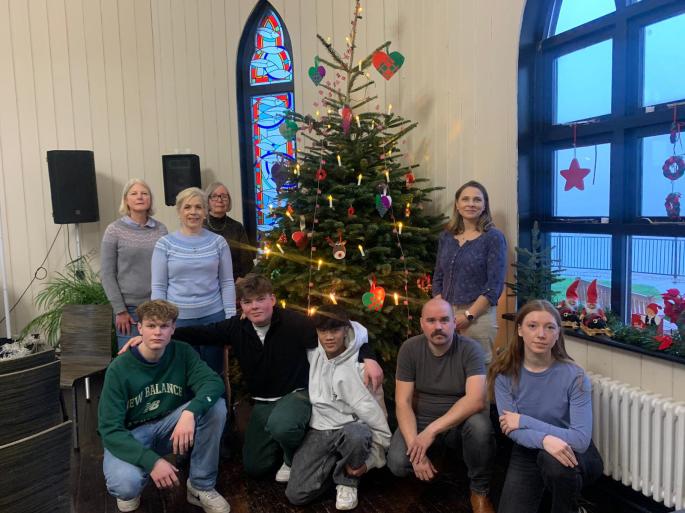
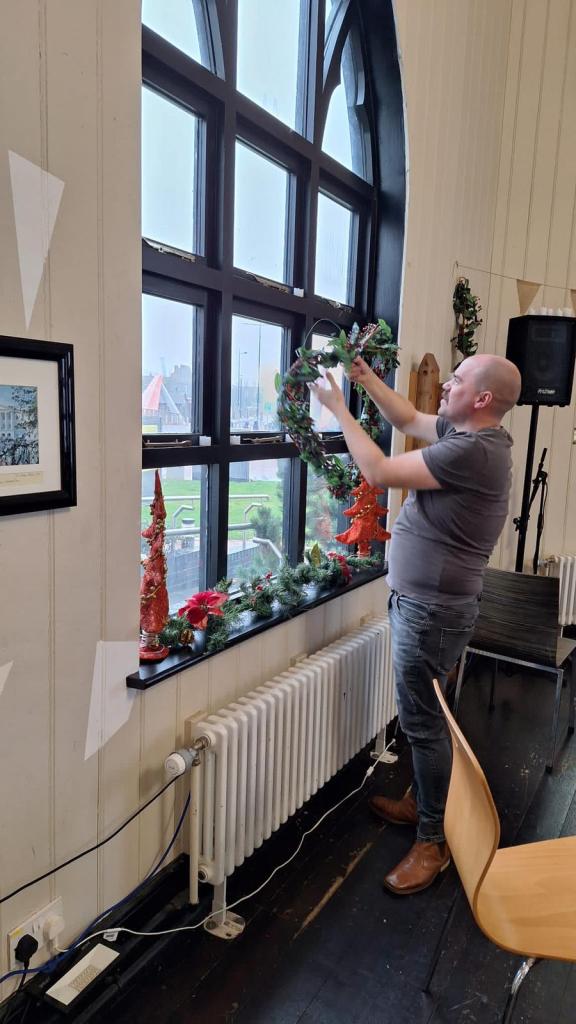
Sunday, 24th November:Christmas tree decorating and coffee afternoon, 2-4pm.
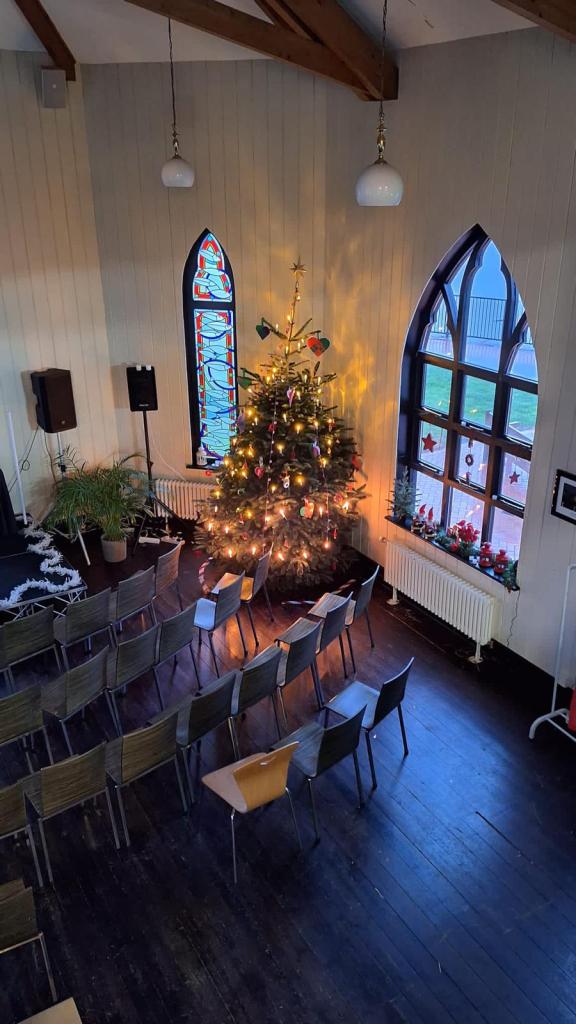
Sunday, 1st December:Festival of Light and Friendship; Christmas tree lighting ceremony. Tree lighting starts at 4.30pm. Children’s activities and entertainment from 2pm. Further details to follow shortly.
Sunday 15th December:Official celebration of 150th anniversary of the Norwegian Church,11.30am – 5pm. Further details to follow shortly.

Latest news on the campaign to save the Norwegian church

The WNS would like to keep a current affairs of where we are on the future of the Norwegian church and is as follows.

Our letter to the editor of Wales Online;

Norwegian society wary of city council

Following up the article of May 22 regarding Cardiff council’s plans for commercial use of the Norwegian Church in Cardiff Bay, the Welsh Norwegian Society would like to explain why we are wary of Cardiff council’s fine words about preserving the integrity of the building.

Cardiff council became the sole trustee of the Norwegian Church Preservation Trust in 2006. Its management of the charity has been woeful since then, as the publicly available information on the Charity Commission’s website shows:

  • Accounts to 2016, 2017, 2018 were submitted 504 days late, 167 days late and 95 days late respectively.

  • The 2017 accounts have an Independent Examiner’s report which qualifies the accounts – in other words indicates that there are particular areas of concern – to quote:

* The Annual Report and Financial Return related to financial period 2016/17 has not been completed in accordance with the Charity Commission legal statutory and public accountability requirements.

* Governance procedures were not transparent and there appeared to be evidence of a lack of good governance, risk management and internal control as specified by the Charity Commission.

  • The latest set of accounts for 2018, which were submitted 95 days late on 7th May 2019 include a comment from the Independent Examiner – to quote:

* Formal Trustee had not been held during the year as specified by the Charity Commission.

* Inventory Records detailing Norwegian Church assets are not maintained.

The last point is particularly worrying as there are a number of important historical artefacts held in the church.

Based on this information, and its public statements, we are concerned that Cardiff council does not understand its responsibilities under charity law and may be mismanaging the charity. The church is not a building owned by Cardiff council. It is held in charity on behalf of the public with Cardiff council as a trustee tasked with ensuring its protection for future generations. It is not just a commercial opportunity.

Tyra Oseng-Rees

Chair Welsh Norwegian Society


Source: https://www.walesonline.co.uk/news/local-news/western-mail-letters-thursday-23-16317347


Church not part of council’s portfolio

Your article of May 22 “Concerns over future of church” misses an important moral and legal point about the Norwegian Church.

Significant charitable donations and grants have been given from Norway and Wales over the years to rebuild, and later refurbish, the Norwegian Church. In the 1980s a huge donation of 1 million kroner (about £90,000) raised in Norway helped to lever further donations from many Welsh organisations and the public of Wales.

The Norwegian Church is still owned by the Norwegian Church Preservation Trust, which is a charity; it is not just another part of the council’s property portfolio. Cardiff council may be the only trustee of the charity, but the council cannot simply convert this public asset to a purely commercial venture.

The Welsh Norwegian Society, of which I have been a member for over 20 years, is also calling for public consultation so the public can have their say about the future of this iconic visitor attraction, which is such a powerful symbol of Cardiff’s maritime heritage and the multicultural history of Cardiff. I am half-Norwegian, and having visited the Norwegian Church regularly over the years, I know it is much loved by locals and visitors alike.

The coffee shop, art exhibitions, and events in the church are open to everyone. It is a focal point of Cardiff Bay, and has been developed as a public space dedicated to the communities of Cardiff and beyond.

If members of the public share our concerns, they can contact the Welsh Norwegian Society on contact@welshnorwegian.org

Christine Glossop


Penarth

Source: https://www.walesonline.co.uk/news/local-news/western-mail-letters-friday-24-16323564


BELOW IS PRINTED IN AFTENPOSTEN, NORWAYS HIGHEST PROFILE NEWSPAPER – This is how important the church is, not just to Wales or Norwegians in Wales, but Norway itself, still to this day.

Frykter ny leietager i norsk kirke i Wales

Nordmenn i Wales er bekymret for frem- tiden til en av de eldste norske kirkene i utlandet. Lokale myndigheter ønsker å utnytte det «kommersielle potensialet».

Det verste scenarioet er at det vil komme en McDonald’s eller Starbucks-kafé i kirken, sier Tyra Oseng-Rees, styreleder i foreningen Welsh Norwegian Society – en av de flittigste brukerne av kirken.

Utspillet er satt på spissen, men bakgrunnen for usikkerheten om kirkens fremtid er et vedtak byrådet i Cardiff gjorde i november i fjor. Da besluttet politikerne i regionen at kirkebygget skulle leies ut.

– Men over et halvt år etter vet vi fortsatt ingenting om hvilke planer kommunen har, forteller Oseng-Rees.

Kirken til Roald Dahls foreldre

Det er ikke første gang fremtiden til den historiske trekirken fra 1869 har vært uviss. På 1970 og -80-tallet sto den til forfall, og kirken måtte rives for å gi plass til et nytt veiprosjekt over dokkene i Cardiff.

Men takket være betydelige innsamlede midler – blant annet fra Norge – ble kirken bygget opp igjen på en tomt ikke langt unna. Den gjenoppbygde og nyrestaurerte kirken ble åpnet av prinsesse Märtha Louise i 1992. Siden den gang har den fungert som et norsk-walisisk kultursenter.

Kirken er kanskje mest kjent for å være Roald Dahls kirke. Dahls norske far arbeidet i Cardiff, og den senere verdenskjente forfatteren ble døpt i kirken i 1916. Han tilbrakte sine barneår i byen, før han ble sendt på kostskole i England.

Dahl var på slutten av 1980-tallet aktiv i arbeidet med å få gjenreist kirken. Han døde imidlertid to år før den «nye» kirken sto ferdig.

I 2002 ble plassen utenfor kirken gitt navnet Roald Dahls Plass. For å understreke hans norske herkomst, ble ordet plass valgt – ikke place eller square.

Det kommersielle potensialet

Siden kirken ble gjenreist, har det skjedd en enorm utvikling i områdene som omkranser Cardiff-bukten. Nye hoteller, kontorbygg og butikker er bygd.

Det er ikke kjent om noen eiendomsaktør har vist interesse for tomten der kirken ligger.

Bakgrunnen for at denne saken er kommet opp, er at kommunen må kutte ca. 2,6 milliarder kroner de neste ti årene. Kommunen ser derfor på mulighetene for redusere utgiftene til en rekke bygg, inkludert den norske kirken.

– Kirkens integritet skal tas vare på. Når det er sagt, ønsker vi å realisere det kommersielle potensialet som utvilsomt ligger der. Det er behov for en betydelig oppgradering av kirkebygget, men vi trenger nye samarbeidspartnere for å få det til, opplyser en talsperson for kommunen til Aftenposten.

Hvilke mulige leietagere myndighetene i Cardiff kan tenke seg i kirkebygget, ønsker ikke kommunen å kommentere.

– Men ingen beslutning om kirkens fremtid er foreløpig tatt, understrekes det.

Mat for jurister

Det er ikke gitt at Cardiff kommune kan gjøre som de vil med kirkebygget. Kirken eies av en såkalt «trust» – The Norwegian Church Preservation Trust.

I denne veldedige «trusten» – en organisasjonsform som har likhetstrekk med en stiftelse – utgjør Cardiff kommune i dag den eneste «trustee’en» – eller styremedlemmet. De er forpliktet til å følge «trustens» formål: Permanent bevaring og vedlikehold av kirken som et museum og kultursenter.

– Kommunen kan ikke bare konvertere denne offentlige formuen til en ren kommersiell virksomhet, skriver Christine Glossop, medlem i Welsh Norwegian Society, i et leserinnlegg i avisen Western Mail.

Drar til Cardiff

Synspunktet til den norsk-walisiske foreningen får støtte fra rådgiver Terje Inderhaug i Hordaland fylkeskommune.

Inderhaug spilte en nøkkelrolle da kommuner og fylkeskommuner på Vestlandet ga én million kroner til gjenreising av kirken i 1992.

Han arbeider nå med forberedelsene til kirkens 150-års jubileum i desember, men er også blitt involvert i denne saken. Han tror ikke politikere på Vestlandet vil sitte stille og se på at Cardiff gjør store endringer med kirken. I slutten av juli drar han til Wales for å diskutere saken med representanter for kommunen.

– Kirken betyr også veldig mye for Cardiff. Derfor håper jeg at denne saken løser seg. Når det blir sagt at man frykter at McDonald’s skal flytte inn, så er nok det satt litt på spissen, sier han.

Den norske kirke i Cardiff ble reist for 150 år siden. Fremtiden er imidlertid uviss, etter at Cardiff kommune har antydet at den ønsker at kirken skal få en sterkere kommersiell profil. Foto: Carlos Neto, Shutterstock, NTB scanpix

Arnfinn Mauren

Frykter ny leietager i norsk kirke i Wales

Source: https://www.e-pages.dk/aftenposten/90169/article/938301/14/1/render/?token=e3e277c60cb9bd3f6ce58fb2124494bc

Translation of above;

Fears new tenant in the Norwegian church in Wales

Norwegians in Wales are concerned about the future of one of the oldest Norwegian churches abroad. Local authorities want to exploit the “commercial potential”. 

“The worst scenario is that there will be a McDonald’s or Starbucks café in the church”, says Tyra Oseng-Rees, chairman of the Welsh Norwegian Society – one of the most diligent users of the church.

This is an exaggerated statement to make a point , but the background for the uncertainty about the future of the church is a decision the city council in Cardiff made last November when politicians in the region decided that the church building would be rented.

 “But over half a year after, we still know nothing about what plans the municipality has”, says Oseng-Rees. 

The church of Roald Dahl’s parents

It is not the first time the future of the historic wooden church from 1869 has been uncertain. In the 1970s and 80s the church was in ruins, and it had to be demolished to make room for a new road project to the docks in Cardiff.

However, thanks to substantial fundraising, including from Norway, the church was rebuilt on an plot not far away. The rebuilt and newly restored church was opened by Princess Märtha Louise in 1992. Since then it has functioned as a Norwegian-Welsh cultural centre.

The church is perhaps best known for being Roald Dahl’s church. Dahl’s Norwegian father worked in Cardiff, and the world-renowned author was baptized in the church in 1916. He spent his childhood years in the city, before he was sent to boarding school in England.

Dahl, at the end of the 1980s, was active in the effort to rebuild the church. However, he died two years before the “new” church was completed.

In 2002, the space outside the church was named Roald Dahls Plass. To emphasize his Norwegian ancestry, the word ‘plass’ was chosen – not place or square.

The commercial potential

Since the church was rebuilt, there has been a tremendous development in the areas surrounding Cardiff Bay. New hotels, office buildings and shops are built.

It is not known whether any property operator has shown interest in the plot where the church is located.

The reason the church is now on the agenda is that the council must cut approximately 2.6 billion kroner over the next ten years. The city council is therefore looking at the possibilities for reducing the expenditure of a number of buildings, including the Norwegian church.

“The integrity of the church will be taken care of. That said, we want to realise the commercial potential that is undoubtedly located there. There is a need for a substantial upgrade of the church building, but we need new partners to achieve it,” a Cardiff Council spokesperson told Aftenposten.

The council did not want to comment on what possible tenants they can imagine in the church building.

“But no decision on the future of the church has currently been made,” highlighted the spokesperson.

A case for the experts 

It is not a given that Cardiff Council can do what they want with the church building. The church is owned by a so-called ‘trust’ – The Norwegian Church Preservation Trust.

In this charitable trust – an organisational form that has similarities to a foundation – Cardiff Council is currently the only ‘trustee’ or board member. They are obliged to follow the trust’s purpose: Permanent preservation and maintenance of the Church as a museum and cultural centre.

“The council cannot just convert this public fortune into a purely commercial business,” writes Christine Glossop, a member of the Welsh Norwegian Society, in a letter in the Western Mail newspaper.

Going to Cardiff

The viewpoint of the Welsh Norwegian Society is supported by adviser Terje Inderhaug in Hordaland County Council.

Inderhaug played a key role when municipalities and county councils in western Norway gave one million kroner to rebuild the church in 1992.

He is now working on preparations for the Church’s 150 anniversary in December, but has also become involved in this issue. He does not believe politicians in western Norway will sit and watch Cardiff make major changes to the church. In late July he travels to Wales to discuss the case with representatives of Cardiff Council.

“The church also means a lot to Cardiff. That’s why I hope this case resolves itself. When it is said that one fears that McDonald’s is going to move in, it’s probably taken to the extreme,” he said.

Written by Arnfinn Mauren, Aftenposten.

Translated from Norwegian by WNS member Mari Ropstad
WNS welcomes dropping of controversial Dolffin Quay development plans

The Welsh Norwegian Society, having objected to the plan to build on a large scale in Cardiff Bay (which would overshadow the Norwegian Church) is very relieved that the plan has been dropped.


Norwegian Church Arts Centre, Cardiff Bay

Norwegian Church Arts Centre, Cardiff Bay

The Norwegian Seamen’s Church has been “a little piece of Norway” in the dock area of Cardiff for 150 years, and when it ceased to function as a seamen’s church, it first was adopted by Lutheran congregations around Cardiff but was eventually closed in the 1970s.  A Trust was formed so that the very characteristic church building might be saved, and in due course the Church was demolished and rebuilt on its present site, being reopened as the Norwegian Church Arts Centre by Princess Märtha Louise of Norway in April 1992.  Many people involved with the Trust helped to start the Welsh Norwegian Society which has met at the Norwegian Church since 1995 and has ever since been a means of promoting and  disseminating Norwegian culture and bringing together those with an interest in Norway, including many of Norwegian nationality and descent.  The Church and the Society alike have benefited from the Cardiff Hordaland twinning link.

Save the Norwegian Church’s waterfront park setting!

We need to protect the Norwegian Church’s iconic setting on the waterfront of Cardiff Bay from the proposed Associated British Ports (ABP) Dolffin Quay development.

Planning Ref: 17/01848/MJR

This development would overshadow and overcrowd the Norwegian Church and its waterfront setting, surrounding it with a collection of residential and commercial buildings, including a 24-storey apartment block.

The Norwegian Church is one of the most recognised and well-loved buildings in Cardiff Bay. Since it was reopened as a cultural centre on the waterfront of Cardiff Bay in 1992 it has been appreciated, by residents and visitors alike, as one of the few historic buildings that convey the history of Cardiff Bay; a symbol of Cardiff’s rich multicultural past.

If the Dolffin Quay development were allowed to go ahead, the open views of the iconic Norwegian Church from around the Bay, and its Waterfront Park setting would be gone forever.

We call upon Cardiff Council to reject this application from ABP and ensure any future development of this area is sensitive, and preserves the Waterfront Park setting of the Norwegian Church for residents and visitors alike.

Please show your support by clicking here to visit change.org and sign the petition.

This petition will be delivered to:

  • Cardiff Council